
Ozhitoon jii Miigiweng (To create and to share) Ziigwan Renewal

MEMBERSHIP BENEFITS
Receive discounts on classes and workshops
March 28, 2026
at
10:00 am
-
4:30 pm
Venue
Creative Manitoba – 4th Floor Classroom
Presented by
Albert McLeod
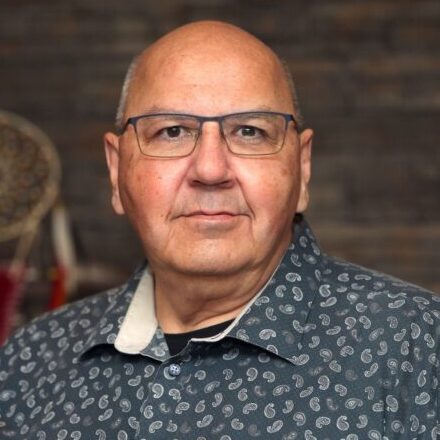
Knowledge Keeper Albert McLeod is a Status Indian with ancestry from Nisichawayasihk Cree Nation and the Metis communities of Cross Lake and Norway House in northern Manitoba. He has over thirty years of experience as a human rights activist and was one of the founders of the 2-Spirited People of Manitoba.
Albert is a commercial art graduate from Assiniboine Community College in Brandon and an experienced artist in beadwork, Indigenous regalia-making, and leather crafts. He was the director of the Manitoba Aboriginal AIDS Task Force from 1991 to 2001. In 2018, Albert received an Honorary Doctorate of Laws from the University of Winnipeg. Albert was also a member of the sub-working group that produced the MMIWG – 2SLGBTQIA+ National Action Plan Report in 2020-2021. In 2020, Albert joined Team Thunderhead, the team that recently won the international competition to design the 2SLGBTQIA+ National Monument in Ottawa. Albert lives in Winnipeg, where he works as a consultant specializing in Indigenous peoples, 2Spirit re-emergence, cultural reclamation, and cross-cultural training.
Lita Fontaine
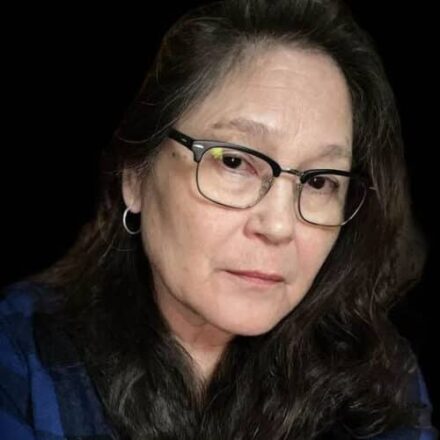
Lita Fontaine is of Dakota, Anishinaabe, and Metis descent. Fontaine is a Mother, Sister, Art Educator and Visual Artist. Her mother Rose Anne Fontaine’s band affiliation is Long Plain, her father’s, Sagkeeng First Nation. Fontaine was born in Portage la Prairie, Manitoba, and grew up in Winnipeg’s North End. Ever since childhood, Fontaine always enjoyed the act of creation like drawing, building, sewing and collecting recyclables.
Recently Fontaine has received the University of Manitoba Distinguished Alumni Award 2021, an honoured and humbling moment. She has exhibited her art in several solo and group exhibitions, and her work can be found on murals in Winnipeg and in personal art collections. In 2024 the Winnipeg Art Gallery hosted Winyan [wee-yahn] (the Dakota word for “woman”) a solo survey exhibition of Dakota/Anishinaabe/Metis artist Lita Fontaine. Bringing together both seminal and recent work, this exhibition honoured the career of this beloved Treaty 1 artist.
Ozhitoon jii Miigiweng (To create and to share) Ziigwan Renewal provides Indigenous and non-Indigenous emerging artists, professional artists and educators of all Nations an inclusive opportunity to learn how to respectfully incorporate Indigenous perspectives and protocols into their art and education practices.
This workshop will be held in person at Creative Manitoba.
Date– Saturday March 28, 10:00 am – 4:30 pm
Location – Creative Manitoba – 245 McDermot Ave, 4th floor, large classroom
Tea, coffee and lunch will be available.
Indigenous Knowledge Keepers and artists Albert McLeod (Cree) and Lita Fontaine (Dakota/Anishinaabe), will guide participants through a holistic hands-on experience enhancing the learning of self and Indigenous Ways of Knowing as we explore the teachings related to Ziigwan – the Springtime of Renewal.
Ziigwan (early spring) is one of the five seasons known to the Anishinaabeg. This season is marked by cool nights and warm days. If you listen to the trees at this time, you can hear the them waking up and crackling as the sap flows. The word aabawaa, which can translate to “it’s mild” in English, is used during this season. This word describes the loosening of winter’s grip on the landscape. Aabawaa, according to the late Basil Johnston, is also connected to a word for forgiveness: aabwendamowin — describing a loosening of thoughts and feelings toward others and your self.
In Asiniskaw Īthiniwak, Mithoskāmin, or spring, translates in English to “good moving water” (mitho = good; ska = moving or walking; min = water) because this is the season in which water ways that have been frozen during the months of pipon (winter) and sikwan (break-up) open and can be used for canoe travel. During this season, the Asiniskaw Īthiniwak build and repair canoes, gather eggs, make tools and baskets, and tap birch trees once the sap stops running.
Creating art in Anishinaabe and Asiniskaw Īthiniwak culture is a profound, multifaceted practice that extends far beyond aesthetics, serving as a vital medium for cultural continuity, spiritual expression, and resilience. Rooted in traditional knowledge and often referred to as a form of “relational making,” art connects the creator to the land, ancestors, and community.
Key significances of Anishinaabe art include:
- Storytelling and Record Keeping
- Cultural Revitalization and Resilience
- Spiritual Connection
- Healing and Well-being
- Political Commentary
- Connecting to Community and each other
Our goal is to provide you with the tools to create a mindful space for you/your students to move your intellectual and emotional ways of thinking into the realm of physical creation. Together we will explore the interwoven threads of creation, our relation to self and community, and the wonder of diversity in earth cycles at this most special time of the year.
This workshop will be influenced by shared teachings of springtime, renewal, and mindfulness through a sharing circle, journaling, the creation of a mixed media collage piece and a visioning exercise.
“Art plays an integral role in the process of reconciliation as it is a way in which people, nations, and cultures can “say what goes unsaid”
(Dr. Mique’l Dangeli, Tsimshian First Nations, from Metakatla, Alaska).
Supplies will be provided.
We are asking each participant to bring a journal and something personal to incorporate into your own creation. (photocopies of photographs etc..)
Space is limited. Registration is open until March 26, 2026 at 5pm
If cost is a barrier, please apply to Creative Manitoba’s All-Access Inclusion Bursary.
See our cancellation policy.
Event Venue
Creative Manitoba – 4th Floor Large Classroom
300-245 McDermot Avenue
Winnipeg, Manitoba R3B 0S6 Canada
Winnipeg, Manitoba R3B 0S6 Canada